Navigating the lottery: A high-stakes dance with chance and fate

Navigating the lottery: A high-stakes dance with chance and fate
The lottery often symbolizes the ultimate gamble, a tantalizing dance with destiny and a chance to change ones life overnight. Millions of people worldwide take part in this high-stakes game, fueled by dreams of wealth and the allure of unpredictability. But have you ever wondered what actually goes on behind the scenes? This article will explore the many facets of the lottery, from its origins to the psychology of players.
The Origins of the Lottery
The concept of the lottery dates back to ancient civilizations. Archaeological evidence suggests that the first lotteries were held in China around 205-187 BC during the Han Dynasty. These early lotteries were not just a mechanism for raising funds; they were a way to determine future events, from military endeavors to the distribution of property.
As time progressed, the lottery evolved, finding its way to Europe in the 15th century. In France, King Francis I established the first state-sponsored lottery in 1520. Over the years, it spread across the continent, reaching England, where it would eventually become a significant source of income for various public projects.
The Mechanics of Lottery Games
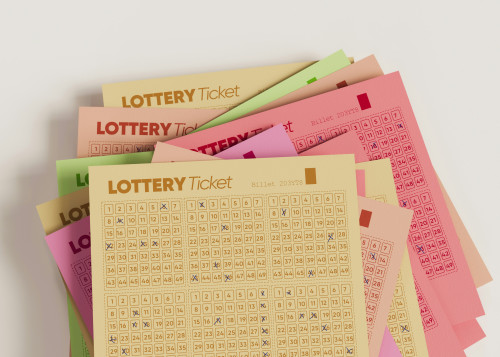
Modern lotteries can take several forms, each with its own set of rules and structures. At the core of every lottery is the concept of randomness. Players purchase tickets with specific numbers, hoping to match them with those drawn at random.
Many lotteries use a variety of techniques to ensure randomness. These include mechanical drawing machines and computer-generated systems. Regardless of the method, the goal remains the same: to create a fair and unpredictable outcome, where winning hinges solely on chance.
The Psychology Behind Playing the Lottery
The lottery isn’t just about numbers and luck; there’s a psychological dimension that influences why people participate. The prospect of winning can trigger a rush of excitement not unlike gambling. Many players experience a sense of euphoria at the thought of hitting the jackpot, which can create a strong urge to buy more tickets.
Additionally, the idea of winning can sometimes overshadow the statistical reality. Most players are aware that their odds of winning are remarkably slim, yet the dream persists. This paradox keeps many engaged, despite the long odds stacked against them.
Financial Implications and Social Considerations
The financial implications of playing the lottery can be significant. While some people have become millionaires overnight, many others find themselves in a cycle of spending beyond their means. Research shows that lower-income individuals often invest a higher percentage of their income in lottery tickets, revealing a troubling trend associated with hope and desperation.
Furthermore, the lottery can have unique social implications. It’s often marketed as a way for individuals to support community projects and local charities. Proceeds from ticket sales are frequently allocated to education, infrastructure, and public services. However, critics argue that the lottery may exploit vulnerable populations who are drawn in by the promise of wealth while disproportionately contributing to state coffers.
Strategies for Playing the Lottery
No strategy can guarantee success in a lottery, but some players employ methods to maximize their enjoyment while minimizing losses. One approach is to set a budget for lottery spending, treating it as entertainment rather than an investment. This allows players to enjoy the thrill without risking financial stability.
Some seasoned players advocate for joining lottery pools, where a group contributes money to buy a larger number of tickets. This approach increases the odds of winning, although any potential prize must be shared among the group. While it compromises individual winnings, it adds an element of camaraderie and collective excitement.
The Role of Technology in Lottery Evolution
Technology has drastically altered the landscape of lottery games. Online lotteries and mobile apps make participating more accessible than ever before. They provide a convenient avenue for players to engage in various formats of the lottery, often with added features such as instant win games.
Furthermore, blockchain technology is beginning to make its mark on the lottery industry. With its capacity for transparency and security, blockchain could potentially revolutionize the way games are conducted, ensuring fairness and integrity in draws.
As technology continues to advance, the relationship between players and lotteries will likely evolve. It remains to be seen how these changes will shape the future of this age-old pastime.