Games and the Brain: Understanding the Mechanisms Behind Responsible Gambling Behaviour


Games and the Brain: Understanding the Mechanisms Behind Responsible Gambling Behaviour
Why do some people get caught up in the thrill of gambling, while others can enjoy a few games and walk away without difficulty? The answer lies deep within the brain’s reward system – a complex network of chemistry, emotion, and behaviour. To understand how responsible gambling behaviour develops (or breaks down), we need to look at what happens in the brain when we play – and how that knowledge can help us make more mindful choices.
The Reward System – The Brain’s Motivation Engine
When we gamble, the brain’s reward system is activated. This is the same system that makes us feel pleasure when we eat something delicious, receive praise, or achieve a goal. The key player here is the neurotransmitter dopamine, which is released when we experience something the brain associates with reward.
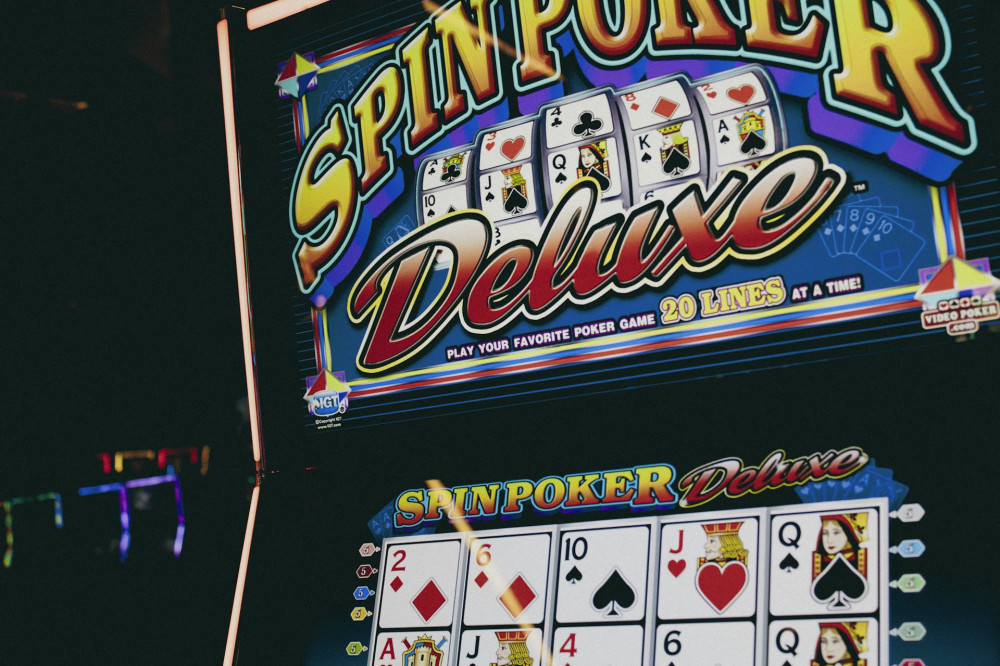
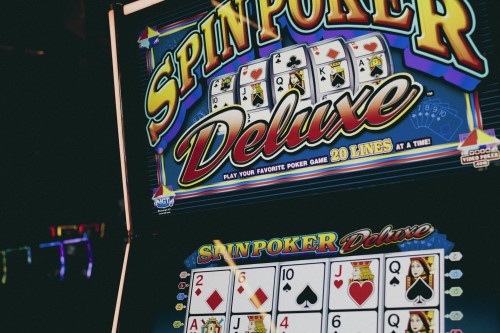
In gambling – especially in games with unpredictable outcomes like slot machines, sports betting, or lotteries – dopamine is released not only when we win, but also when we almost win. This creates a sense of excitement and anticipation that can be highly motivating. The brain quickly learns that gambling can produce a “rush,” and that can lead to repeated play in search of that feeling.
Why the Brain Loves Unpredictability
One of the most fascinating aspects of gambling is that rewards don’t come every time. This unpredictability – known as variable reinforcement – is one of the most powerful ways to maintain behaviour. It’s the same mechanism that keeps us checking our phones for new messages or social media updates.
When we don’t know when the next win will come, the brain stays alert and engaged. This creates a tension that can be both entertaining and addictive. For most people, it’s part of the fun, but for some, it can develop into problematic behaviour where gambling takes up too much space in daily life.
Læs også:


Responsible Gambling – When Awareness Meets Biology
Playing responsibly isn’t just about willpower. It’s also about understanding how the brain reacts and creating conditions that help us stay in control. Research shows that self-regulation – the ability to delay gratification and make conscious choices – can be strengthened through knowledge and habits.
Here are some of the key mechanisms behind responsible gambling behaviour:
- Self-monitoring: Keeping track of how much time and money you spend on gambling makes it easier to notice when limits are being crossed.
- Taking breaks: The brain needs pauses to “reset” its dopamine system. Planned breaks can reduce the risk of impulsive decisions.
- Realistic expectations: Understanding that gambling outcomes are based on chance – and that the house always has an edge – helps maintain a healthy perspective.
- Emotional awareness: Many people gamble to escape stress or boredom. Recognising emotional triggers can prevent unhealthy patterns from forming.
The Role of Technology – Support or Temptation?
Online gambling platforms have made it easier than ever to play – but also easier to lose track. At the same time, technology offers new tools to support responsible behaviour. Many Irish gambling sites now provide features such as deposit limits, time-out options, and self-exclusion tools to help players manage their habits.
In Ireland, initiatives like the Gambling Regulation Authority and organisations such as GamblingCare.ie and Problem Gambling Ireland offer advice, self-assessment tools, and confidential support. These resources are designed to help players stay in control and seek help early if gambling starts to feel overwhelming.
Researchers and developers are also exploring how data and behavioural analysis can identify early signs of problematic gambling – for example, changes in betting frequency, stake size, or playing times. The goal is to offer support before behaviour becomes harmful.
The Brain Can Be Trained – Even for Responsibility
The good news is that the brain is plastic – it can change through experience and training. By practising awareness of impulses and taking deliberate pauses, we can strengthen the parts of the brain responsible for control and reflection. These are the same mechanisms used in mindfulness and cognitive behavioural therapy.
For many people, responsible gambling isn’t about avoiding gambling altogether, but about finding a balance where it remains a source of entertainment – not stress or financial strain.
A Conscious Approach to the Psychology of Play
Understanding the brain’s role in gambling behaviour gives us a stronger foundation for playing responsibly. When we know how the reward system works and why we react the way we do, it becomes easier to set boundaries and keep gambling enjoyable.
Ultimately, responsible gambling is about taking ownership of your experience – knowing your limits, using the tools available, and remembering that gambling should be fun, not something that controls your everyday life.
Læs også: