The house edge explained: Why you can still win in the short term


The house edge explained: Why you can still win in the short term
When you play at a casino – whether it’s roulette, blackjack, or online slots – you’ll often hear the term house edge. It might sound like something that makes winning impossible, but that’s not quite true. The house edge simply means that the casino has a small statistical advantage over time. In the short term, you can still win – and sometimes win big. Here’s what the house edge really means, and why it doesn’t have to spoil your fun.
What does the house edge mean?
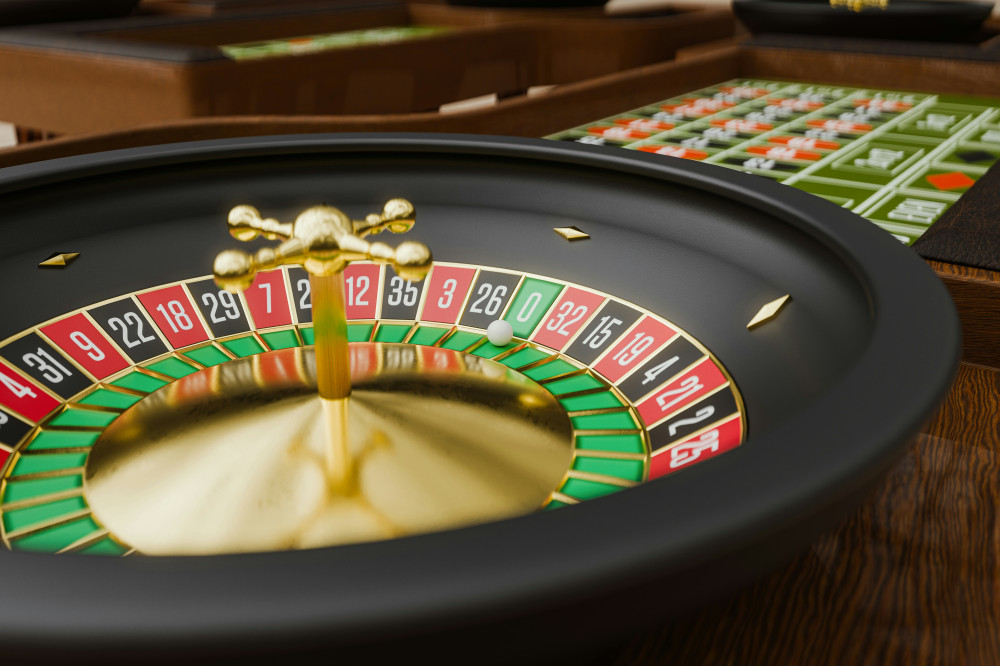
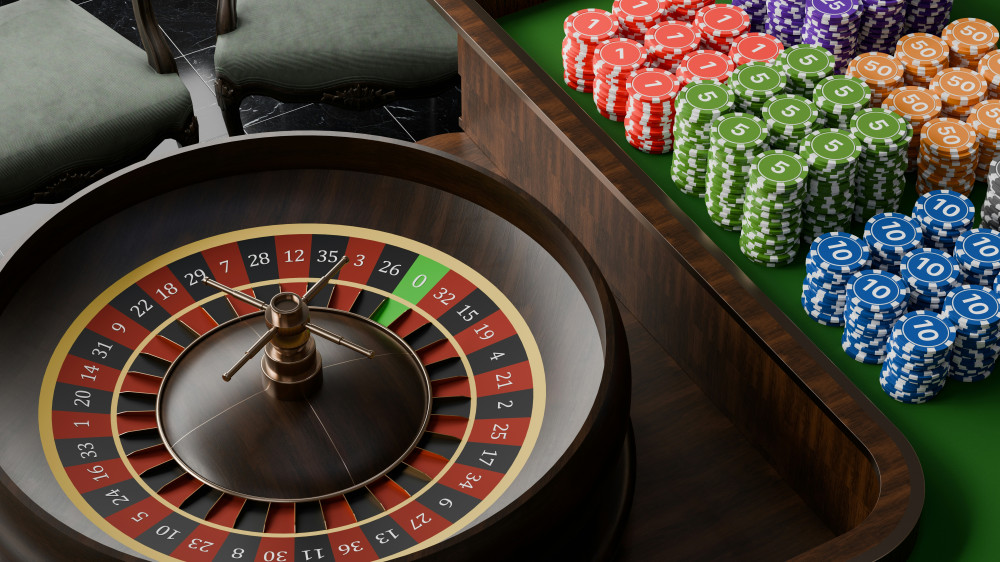
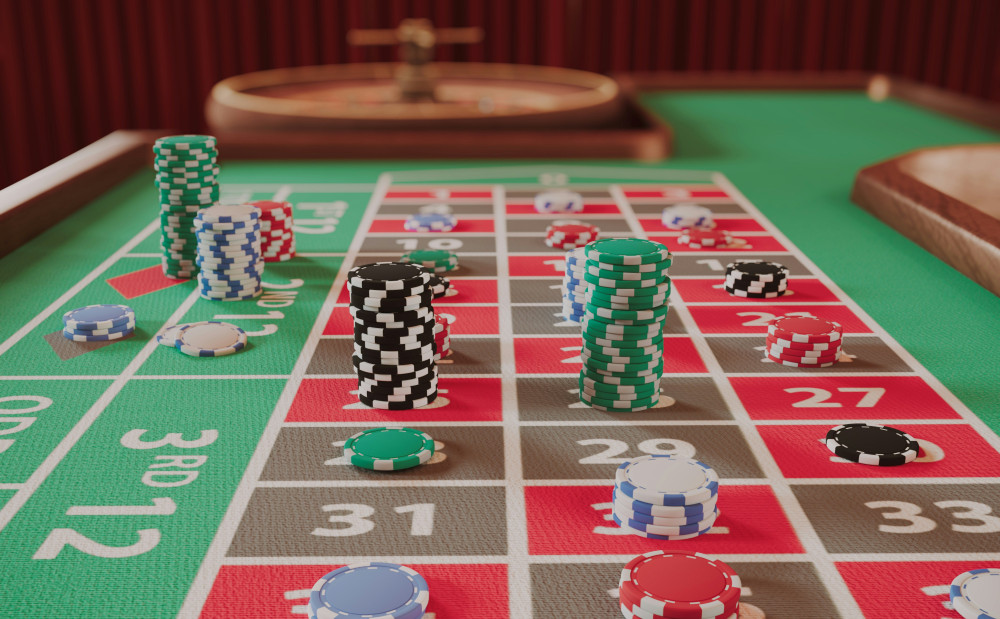
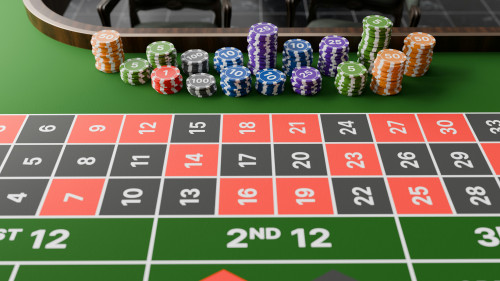
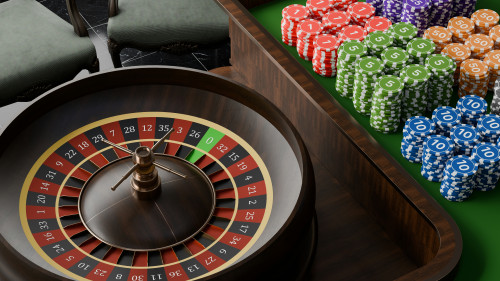
The house edge is the percentage the casino expects to earn from each game in the long run. It’s built into the rules and probabilities of the game. For example, European roulette has a house edge of about 2.7% because there are 37 pockets on the wheel, but payouts are calculated as if there were only 36.
That means that for every €100 wagered, the casino expects to make around €2.70 on average. It’s not much per spin, but over thousands of spins, it adds up to a steady profit. That’s how casinos can afford to offer big jackpots, free drinks, and glamorous venues – because the maths is on their side.
Why can you still win?
Even though the house edge guarantees the casino a long-term profit, it doesn’t mean you can’t win in the short term. Probability works over time – not on individual games. You can easily hit a lucky streak that defies the odds, because randomness plays a huge role in the short run.
Think of flipping a coin ten times. Statistically, you should get five heads and five tails, but you might get seven heads and three tails instead. The same principle applies in a casino: short-term luck can swing the results in your favour.
That unpredictability is what makes gambling exciting. You never know when a win might come – and that thrill is what keeps many players coming back.
Examples of the house edge in popular games
The house edge varies from game to game. Some give you better chances than others:
- Blackjack: With perfect strategy, the house edge can be as low as 0.5%, meaning you’re almost on even ground with the casino.
- Roulette: European roulette has a 2.7% edge, while American roulette, with its extra zero, jumps to 5.26%.
- Slots: The house edge on slot machines varies widely, typically between 3% and 10%, depending on the game’s return to player (RTP) rate.
The lower the house edge, the better your short-term chances of winning.
Strategies to improve your odds
You can’t eliminate the house edge, but you can play smarter. Here are a few simple tips:
- Choose games with a low house edge. Blackjack, baccarat, and European roulette are generally better options than most slot machines.
- Learn the rules and use strategy. In games like blackjack, using the correct strategy can significantly reduce the house edge.
- Set a budget. Decide how much you’re willing to spend before you start, and stick to it. It keeps the experience fun and under control.
- Quit while you’re ahead. If you hit a win, consider cashing out. Over time, the statistics will always balance out in the casino’s favour.
Læs også:
The psychology of gambling
Casinos – both online and in person – are designed to create excitement and anticipation. Lights, sounds, and small wins keep your brain engaged and give you a sense of control, even though the outcomes are random. It’s important to remember that gambling should be entertainment, not a way to make money.
When you understand the house edge, you can play with open eyes. You know the odds are against you in the long run, but you can still enjoy the experience – and maybe even walk away with a win or at least a good story.
Play for fun – not for profit
Knowing about the house edge isn’t meant to take the joy out of gambling, but to give you realistic expectations. You can still have fun, feel the adrenaline, and enjoy the thrill of taking a chance. But it’s vital to see gambling as entertainment – not an investment.
If you play responsibly, set limits, and choose your games wisely, you can have plenty of enjoyable moments – even if, in the end, the house always keeps a small edge.
Læs også: